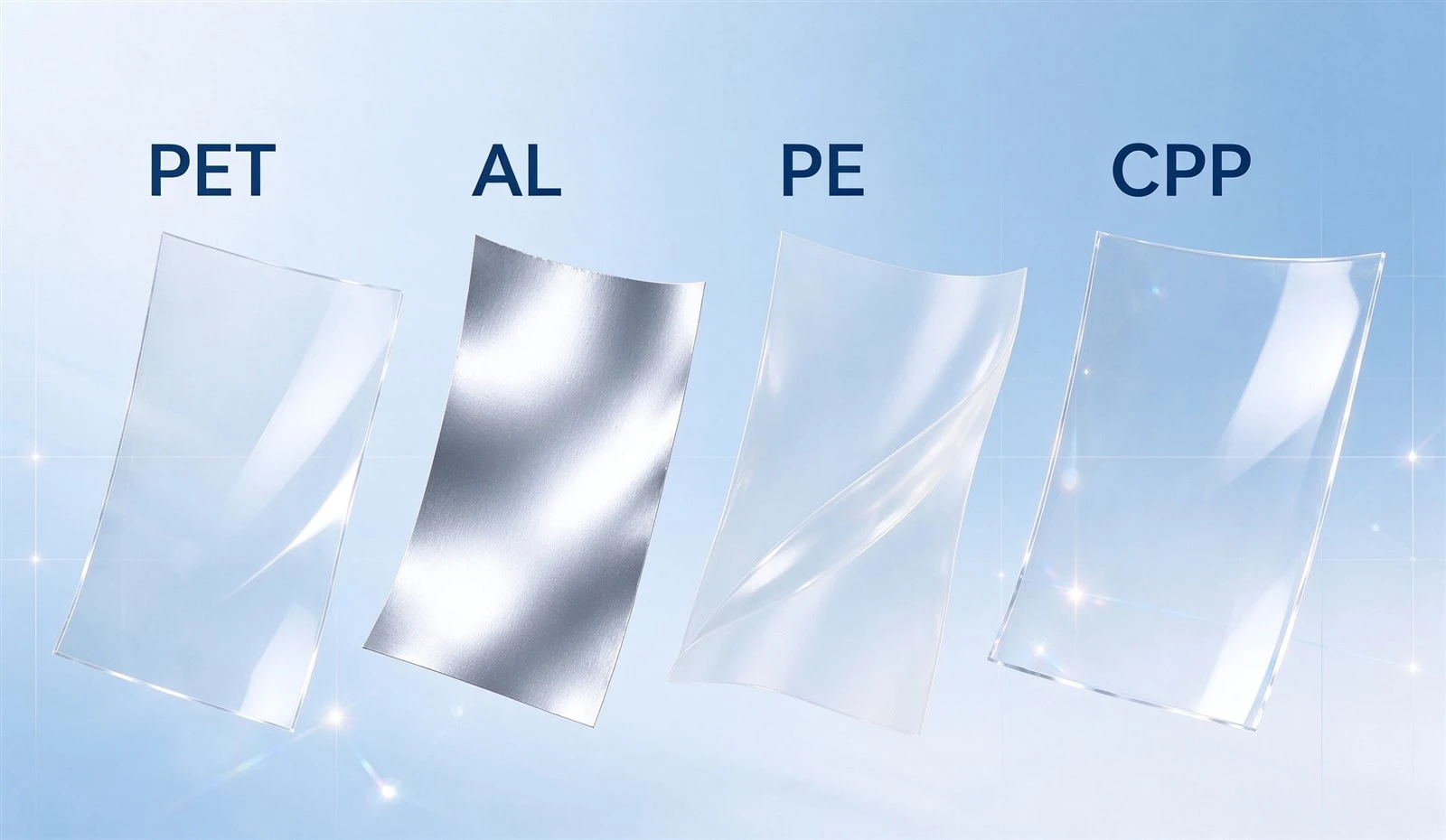
PET / AL / PE / CPP: Key Differences of Four Common Packaging Films
Flexible packaging composite structures often combine PET, AL, PE and CPP films. Many buyers get confused about their features and proper applications. Each material plays a unique role in the laminate, and matching the right film is critical for packaging barrier, heat seal, puncture resistance and shelf life.
Four Common Packaging Films at a Glance
Each film takes a different position in the laminate: outer printing layer, middle barrier layer or inner heat-seal layer.
| Film |
 |
 |
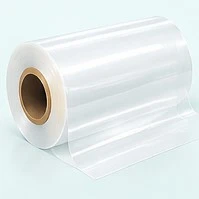 |
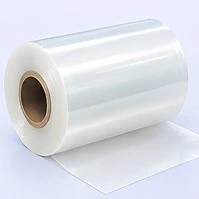 |
| Full name | Polyethylene Terephthalate | Aluminum Foil | Polyethylene | Cast Polypropylene |
| Position in laminate | Outer structural & printing layer | Middle barrier & light-shielding layer | Normal-temperature heat-seal inner layer | High-temperature retort heat-seal inner layer |
| Barrier property | Good oxygen & moisture barrier | Near-perfect: blocks O2, moisture, light & grease | Lower than PET and AL | Lower than PET and AL |
| Heat-seal capability | Cannot be heat-sealed by itself | Cannot be heat-sealed | Excellent ambient sealing | Retort-grade, 121℃ / 135℃ |
| Typical use | Flat-bottom pouches, sachets, vacuum bags | Pet food, nutritional powder, reagents | Ambient pharma & carton inner layer | Pet wet food, ready meals, medical packaging |
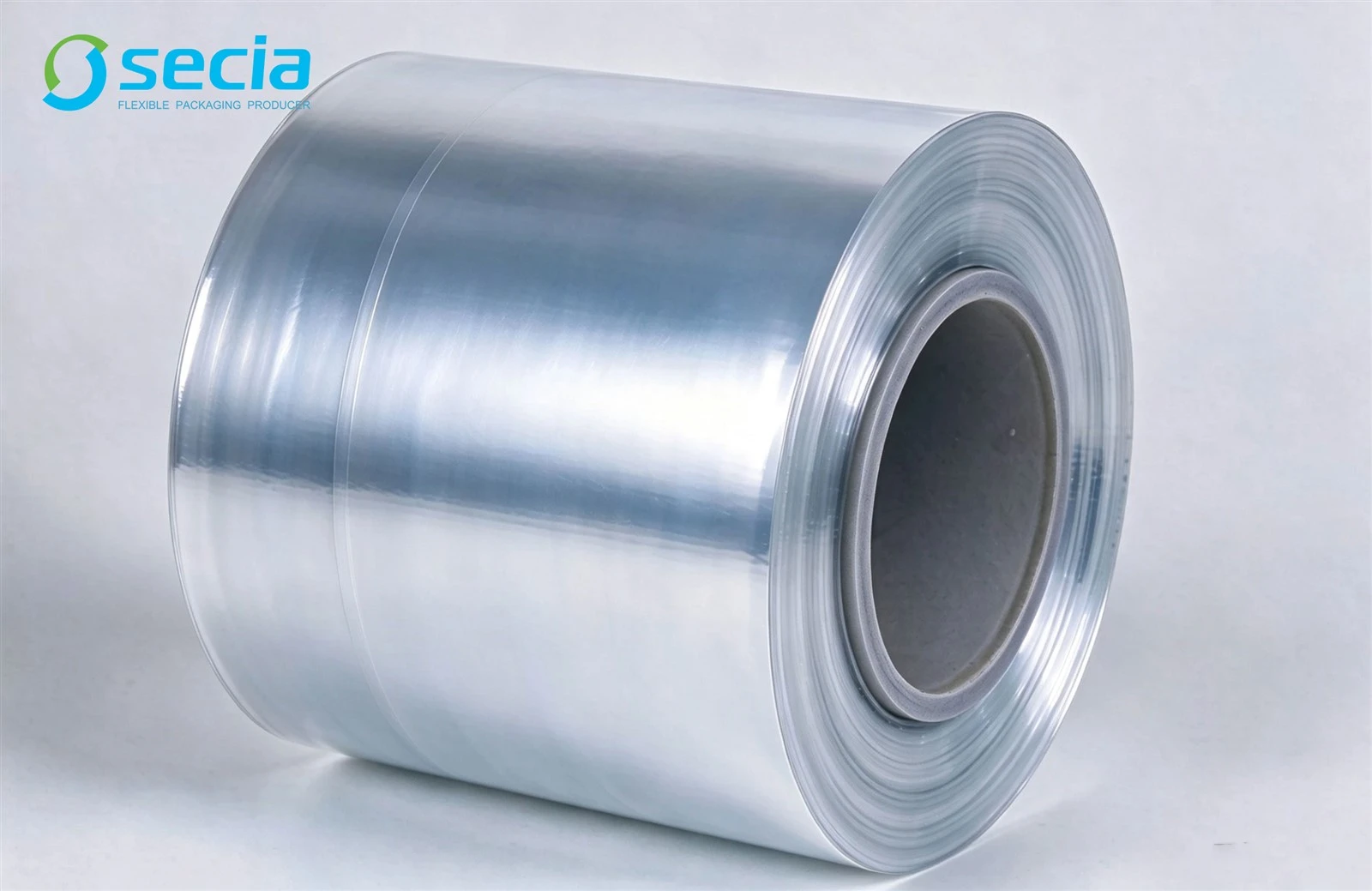
- PET (Polyethylene Terephthalate)
PET is a rigid, high-tensile base film widely used as the outer layer of composite pouches.
Typical use: outer printing layer for flat-bottom pouches, three-side seal sachets and vacuum packaging.
- High mechanical strength, excellent tear and puncture resistance
- Stable dimension, not easy to deform with temperature changes
- Outstanding printing performance for sharp, consistent artwork and brand colors
- Good oxygen and moisture barrier property, but cannot be heat-sealed by itself
- AL (Aluminum Foil)
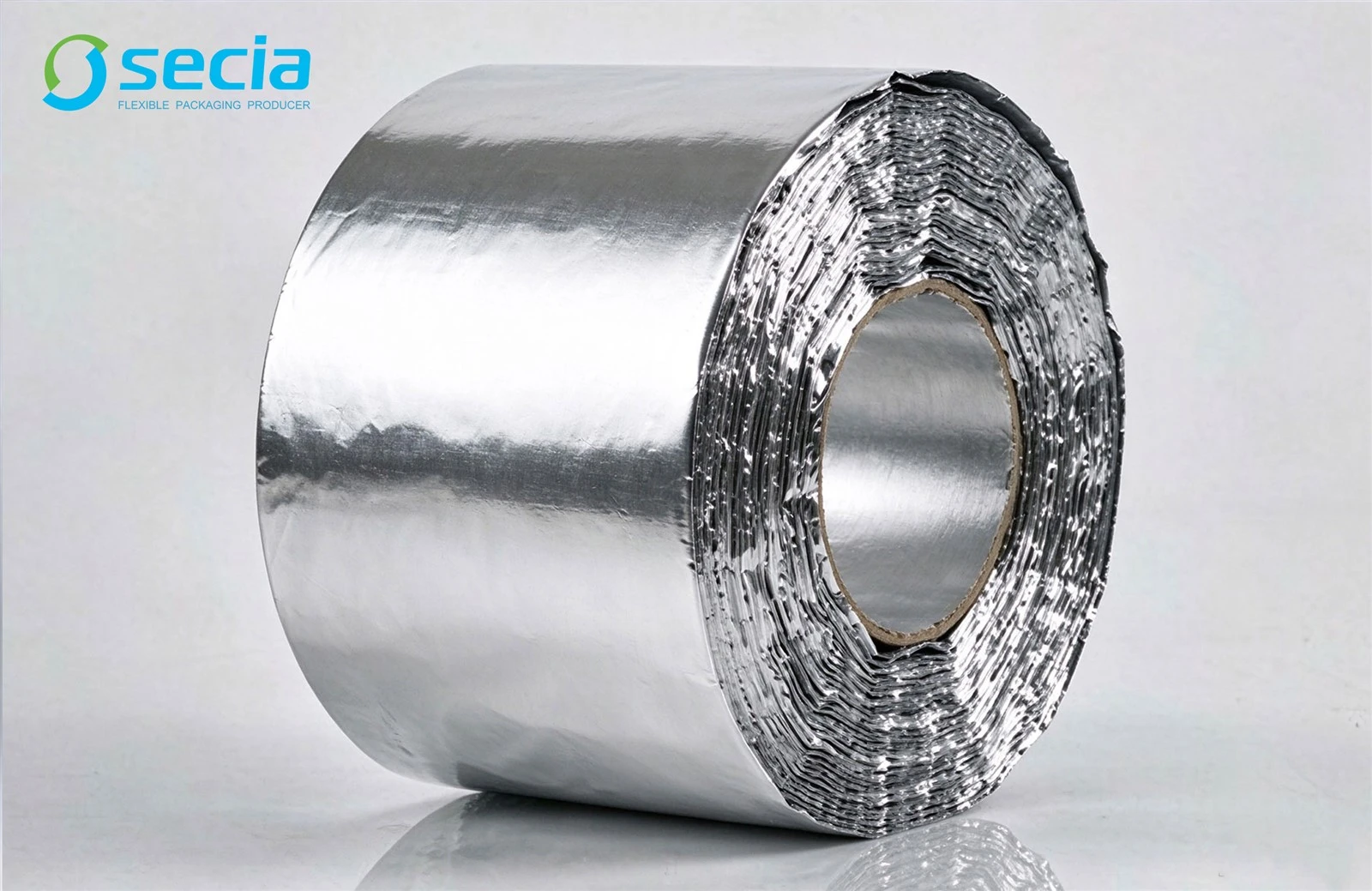
AL stands for aluminum foil, the premium barrier material in flexible packaging.
Typical use: high-barrier packaging for pet food, nutritional powder, medical reagents and long-shelf-life food.
- Near-perfect barrier: blocks oxygen, moisture, light and grease almost completely
- Excellent aroma retention, prevents flavor loss of contents
- Shiny metallic visual effect to upgrade product grade
- Thin AL foil is fragile, easy to pinhole under sharp impact
- PE (Polyethylene)
PE is the most universal heat-sealable inner layer film.
Typical use: heat-seal inner layer for regular ambient-temperature pharmaceuticals and inner packaging of outer cartons.
- Great heat-sealing performance, forms strong and uniform seal edges
- Soft and flexible, good low-temperature toughness
- Chemically inert, compatible with most aqueous products
- Lower barrier compared with PET and AL
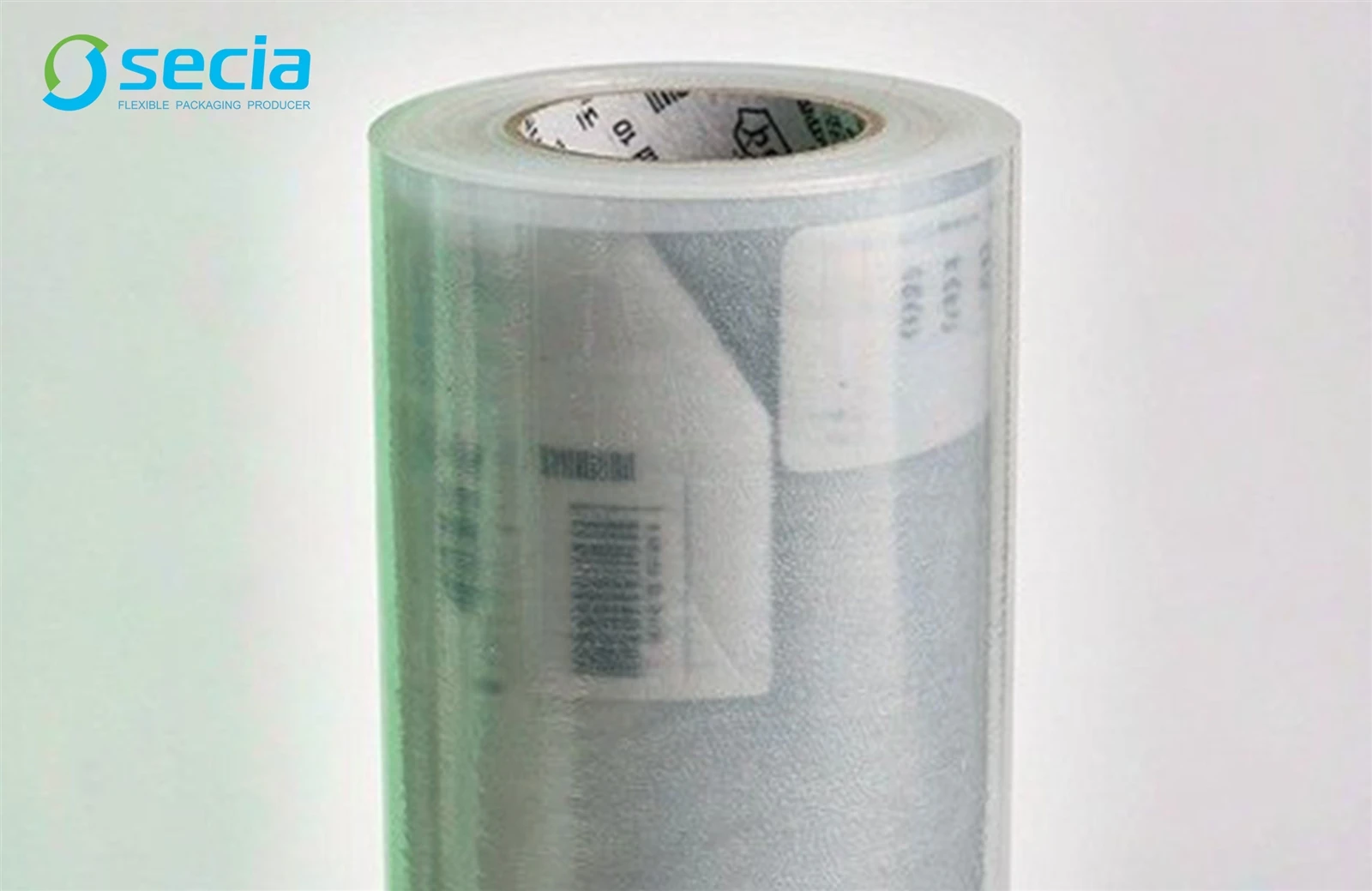
- CPP (Cast Polypropylene)
CPP is cast polypropylene film, the preferred heat-sealing material for retort / high-temperature sterilization packaging.
Typical use: retort pouches for pet wet food, ready-to-meal dishes, plus premium pharmaceutical and medical packaging.
- Resists high temperature, withstands retort sterilization (121℃ / 135℃)
- Stable sealing strength under heating, no melting or breaking during sterilization
- Good oil resistance
- Not suitable for ultra-low temperature scenarios
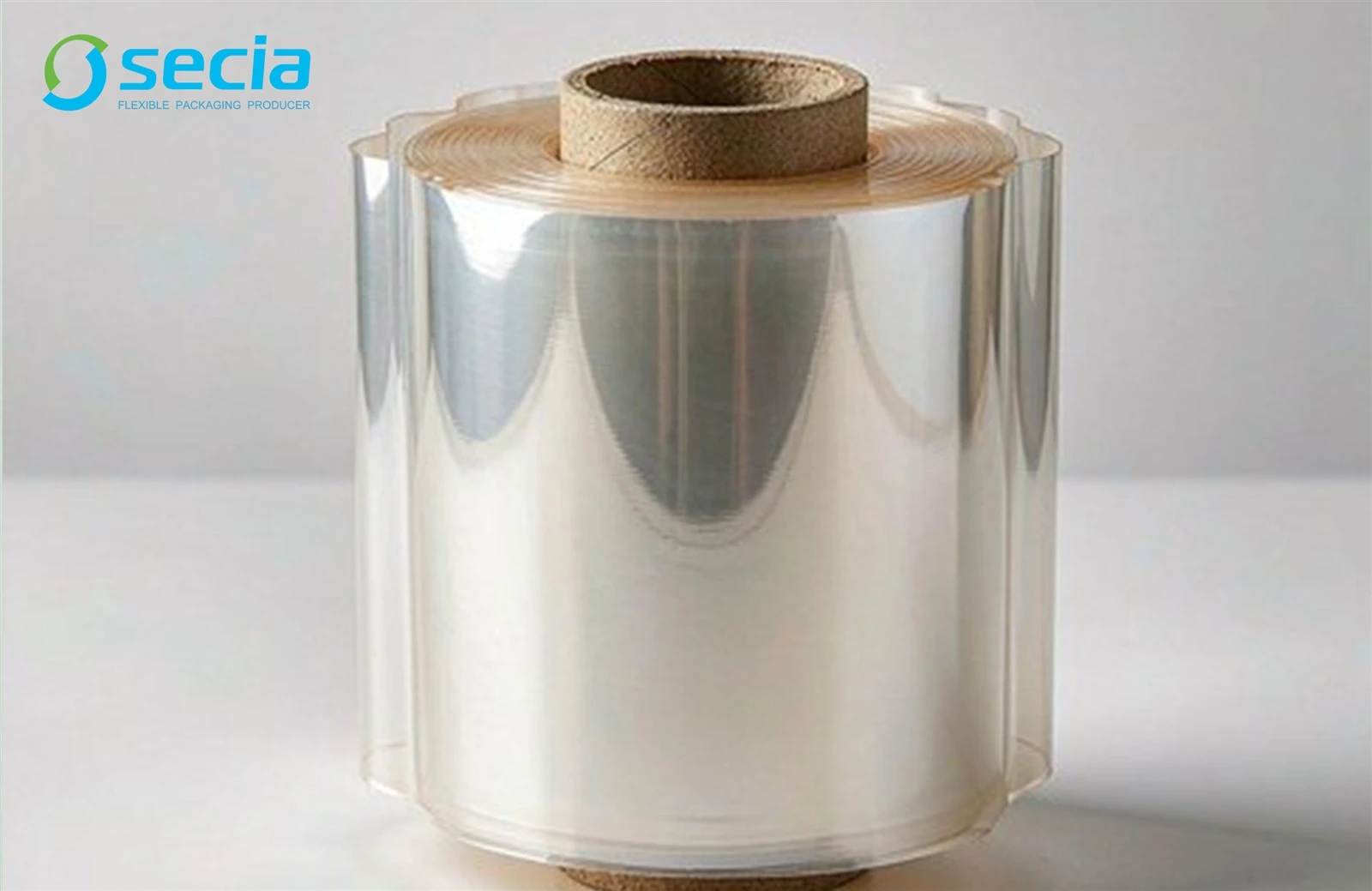
How the Films Work Together in a Laminate
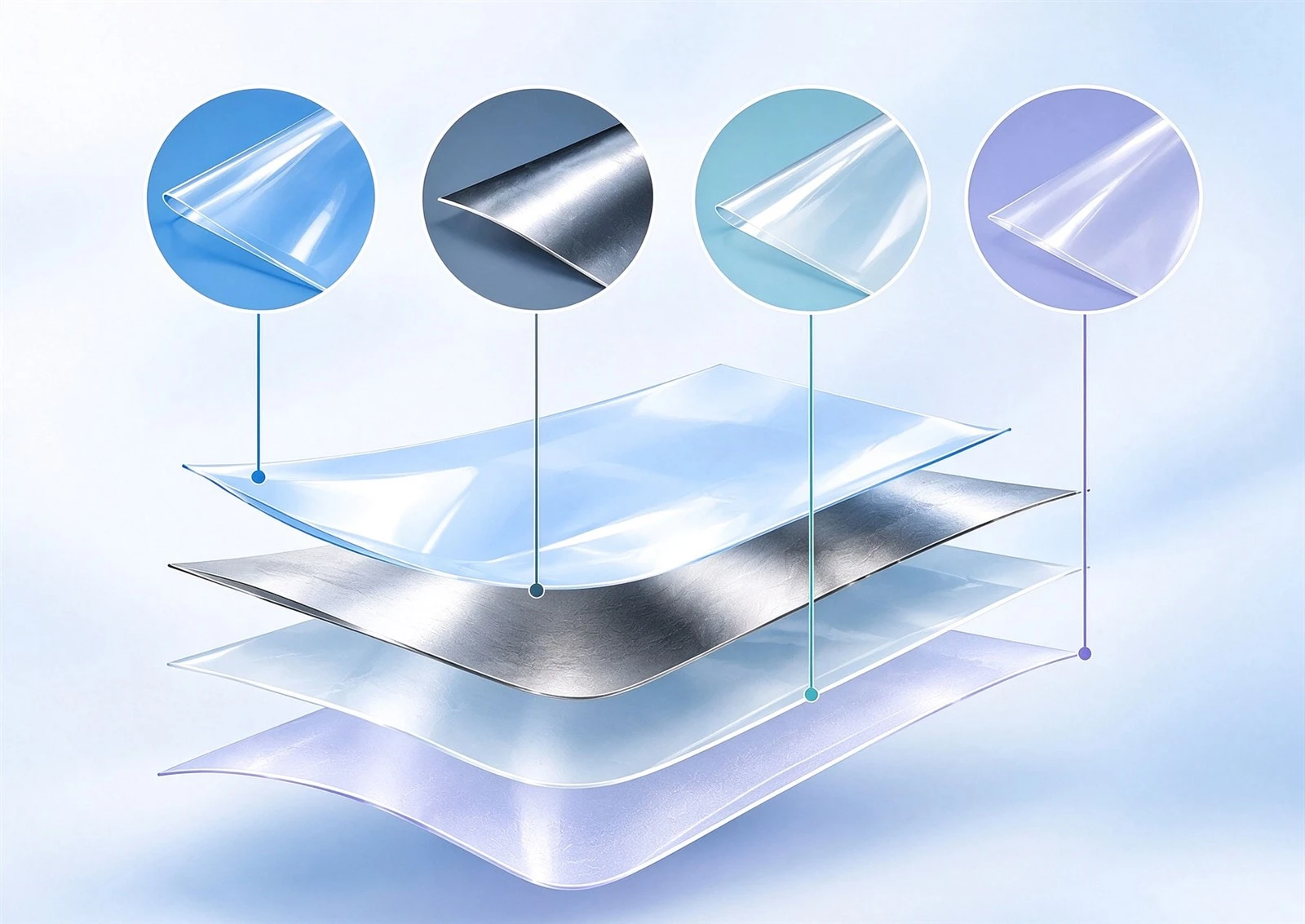
These four films are usually laminated together instead of used alone. PET works as the outer structural and printing layer, AL as the ultra-barrier and light-shielding middle layer, PE as the normal-temperature heat-seal inner layer, and CPP as the heat-seal inner layer for high-temperature retort processing.
Common composite examples: PET/AL/PE - high barrier, non-retort packaging for powder and dry pet food; PET/AL/CPP - high-barrier retort pouch for wet food that needs 121℃ sterilization.
Comparison & Selection Guide
• Use PET as outer printing layer when you need tough structure and premium printing.
• Add AL if you require ultra-high barrier, light shielding and long shelf life.
• Choose PE as inner seal layer for regular room-temperature dry goods and common liquid products.
• Pick CPP as inner layer if your product needs high-temperature retort sterilization.
Summary
Our technical team can design custom composite structures according to your sterilization method, barrier requirement and product formula. Contact us for material recommendation and sample testing.