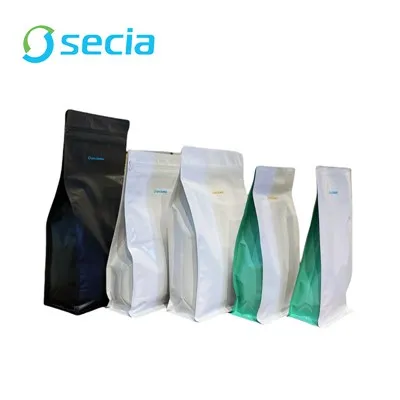
When it comes to the world of flexible packaging, the terms "pouch" and "bag" are often used interchangeably. However, they are distinct entities with unique characteristics, purposes, and applications. As a leading supplier of pouches and bags, I've had the privilege of working closely with these products, and I'm excited to share my insights on their differences.
Definition and Basic Structure
A bag is typically a more general term that refers to a flexible container made from various materials such as paper, plastic, or fabric. Bags usually have an open top and may or may not have handles. They come in a wide range of sizes, from small coin purses to large shopping bags. Bags are designed to hold a variety of items, from groceries and clothing to electronics and documents.
On the other hand, a pouch is a small, enclosed bag with a more specific design. Pouches are often made from flexible materials like plastic, foil, or laminated paper and are sealed on all sides except for an opening, which may be sealed with a zipper, a press - seal, or a spout. Pouches are commonly used for packaging food products, cosmetics, pharmaceuticals, and other small items.
Material and Durability
The materials used to make bags and pouches vary significantly. Bags can be crafted from a diverse range of materials. For example, paper bags, like the Craft Paper Packaging Bag, are popular for their eco - friendly nature and are commonly used in retail settings. They are relatively lightweight and can be easily printed with brand logos and information. Fabric bags, such as cotton or jute bags, are durable and reusable, making them a sustainable choice for shopping. Plastic bags, while often criticized for their environmental impact, are still widely used due to their low cost, water resistance, and strength.
Pouches, on the other hand, are usually made from flexible plastic films, foils, or laminates. These materials offer excellent barrier properties, protecting the contents from moisture, oxygen, light, and contaminants. For instance, a Three - side Seal Spout Pouch is often used for liquid or semi - liquid products because it can be easily filled and dispensed. The laminated materials used in pouches can be customized to meet specific product requirements, such as high - barrier protection for perishable foods or child - resistant features for pharmaceuticals.
In terms of durability, bags made from thick plastic or heavy - duty fabric can be quite robust and suitable for carrying heavy items. However, paper bags are less durable and may tear easily when overloaded. Pouches, while generally thinner than bags, are designed to be puncture - resistant and can withstand the rigors of transportation and storage. Their sealed construction also provides better protection for the contents.
Design and Functionality
The design of bags and pouches is tailored to their specific functions. Bags often have a simple, open - top design, which makes them easy to access and fill. Some bags, such as tote bags, have large, open compartments that can hold multiple items. Others, like backpacks, have multiple compartments and pockets for organizing different items. Handles are a common feature of bags, allowing them to be carried easily by hand or over the shoulder.
Pouches, in contrast, are designed for more specialized applications. They come in a variety of shapes and sizes, including flat pouches, stand - up pouches, and spouted pouches. Stand - up pouches are popular for their stability on store shelves and ease of display. They can be printed with high - quality graphics to attract consumers' attention. Spouted pouches are ideal for products that need to be dispensed, such as sauces, juices, and baby food. The spout provides a convenient way to pour or squeeze out the contents.
Another key difference in functionality is the sealing mechanism. Bags may or may not have a closure. Some paper bags are simply folded over at the top, while others may have a twist tie or a plastic clip. Pouches, however, are usually sealed using heat - sealing technology, which creates a tight, air - tight seal. This sealing method helps to preserve the freshness and quality of the contents.
Capacity and Volume
Bags generally have a larger capacity than pouches. They are designed to carry bulkier items or a larger quantity of products. For example, a large shopping bag can hold several grocery items, while a duffel bag can accommodate clothing and sports equipment for a weekend trip. Bags can range in size from small handheld bags to large industrial - sized bags.
Pouches, on the other hand, are typically smaller in size and are used for packaging individual servings or small quantities of products. They are commonly used for single - use items such as snack foods, condiments, and travel - sized toiletries. However, there are also larger pouches available for products like pet food or bulk powders.
Cost and Production
The cost of producing bags and pouches depends on several factors, including the material, size, design, and production volume. Bags made from simple materials like paper or low - grade plastic are generally less expensive to produce. However, bags with complex designs, such as those with multiple compartments or custom - printed logos, can be more costly.
Pouches, especially those made from high - performance laminates and with specialized features like spouts or zippers, can be more expensive to produce. However, the cost per unit can be reduced when produced in large volumes. The production process for pouches often involves more advanced manufacturing techniques, such as extrusion, lamination, and printing, which can add to the cost.
Market Applications
Bags have a wide range of market applications. They are commonly used in the retail industry for packaging products at the point of sale. Paper bags are often used in high - end boutiques and grocery stores, while plastic bags are used in supermarkets and convenience stores. Fabric bags are popular for reusable shopping and promotional purposes. Bags are also used in the shipping and logistics industry for transporting goods.
Pouches are widely used in the food and beverage industry for packaging snacks, cereals, coffee, and liquid products. They are also popular in the cosmetic and personal care industry for packaging creams, lotions, and makeup. In the pharmaceutical industry, pouches are used for packaging tablets, capsules, and powders. The flexibility and customizability of pouches make them suitable for a variety of product types and marketing strategies.


Conclusion
In conclusion, while pouches and bags may seem similar at first glance, they have distinct differences in terms of definition, material, design, functionality, capacity, cost, and market applications. As a supplier of pouches and bags, we understand the unique requirements of each product and can provide customized solutions to meet our customers' needs.
Whether you are looking for a Craft Paper Packaging Bag for your retail business, a Three - side Seal Spout Pouch for your food product, or a Three Side Seal Pouches for your cosmetic line, we have the expertise and resources to deliver high - quality products.
If you are interested in learning more about our pouches and bags or would like to discuss your specific packaging needs, we invite you to contact us for a procurement negotiation. We look forward to working with you to find the perfect packaging solution for your products.
References
- Packaging Machinery Manufacturers Institute (PMMI). (2023). Flexible Packaging Trends.
- Smith, J. (2022). The Future of Packaging: Pouches vs. Bags. Journal of Packaging Science.
- Packaging Digest. (2021). Understanding the Difference Between Pouches and Bags.