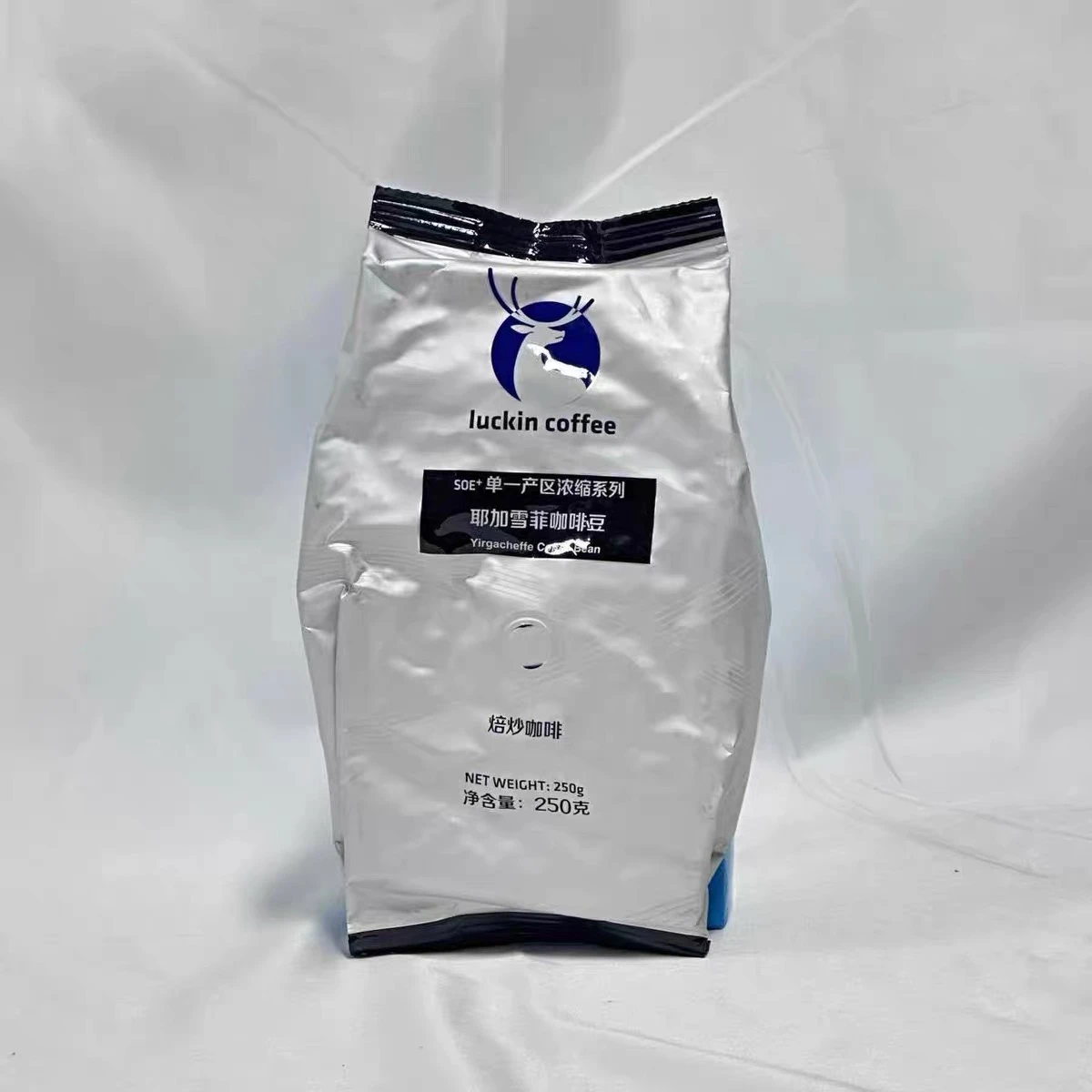
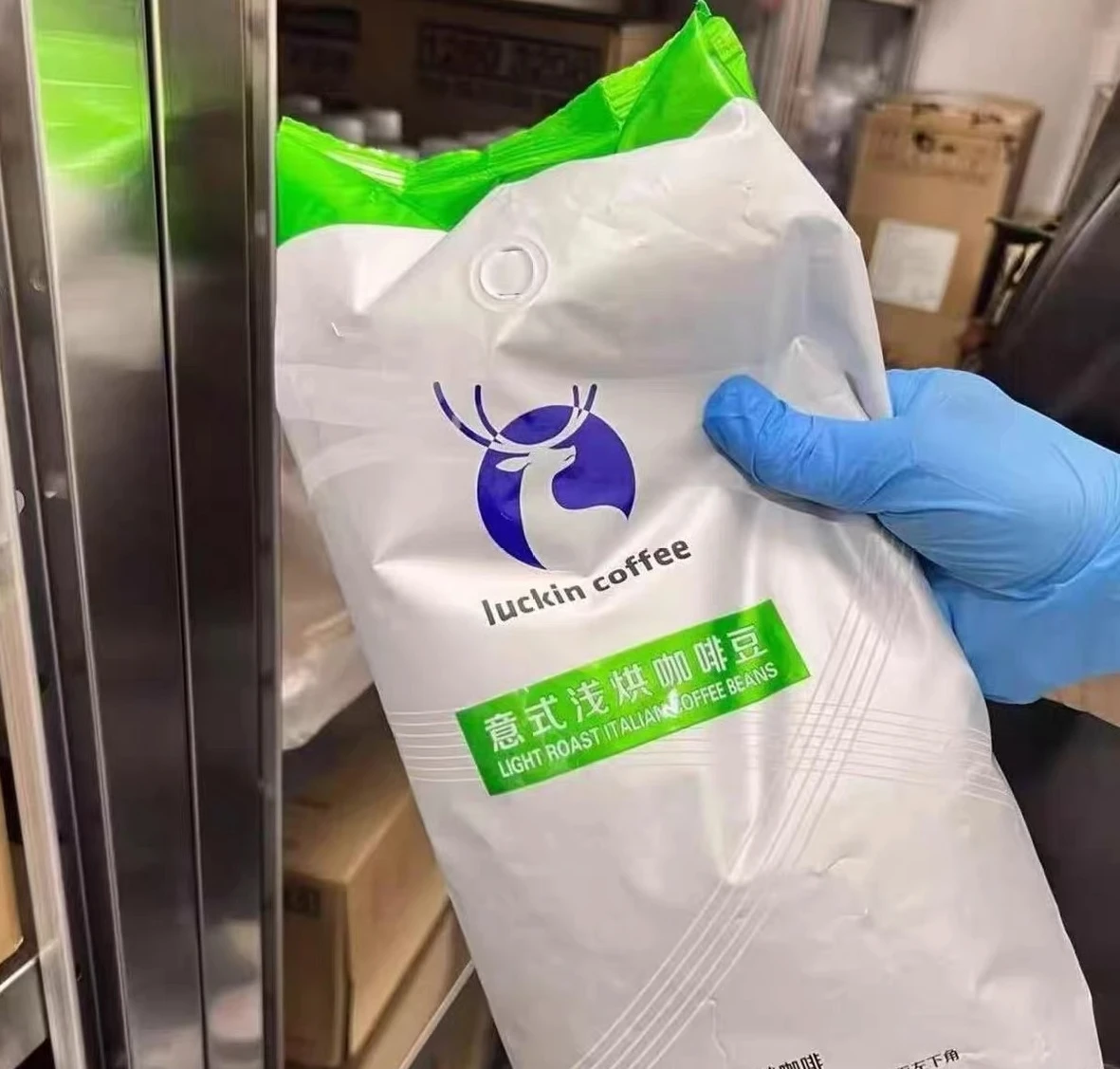
Coffee Beans Packaging offers flat‑bottom bag, back‑sealed bag, stand‑up pouch and side gusset bag. Equipped with one‑way degassing valve to release CO₂ from freshly roasted coffee beans and block oxygen ingress. High‑barrier aluminum‑foil or non‑aluminum composite keeps coffee aroma and extends shelf‑life. Optional zipper, tear notch, hanging hole and viewing window. Support matte/glossy gravure printing, PCR & mono‑PE eco‑friendly material options. Produced in D‑GMP clean‑workshop, ideal for roasted coffee beans, ground coffee and coffee powder.

Material & Barrier Performance
Standard high‑barrier composite structure for coffee storage
Aluminum‑foil composite option: excellent barrier against oxygen, moisture and light, effectively preserve coffee aroma & flavor
Non‑aluminum high‑barrier laminate: metal‑free, for brands pursuing transparent visual effect
Eco‑friendly options: recycled material, mono‑PE recyclable structure for sustainable market demands
Inner food‑grade heat‑seal layer, strong sealing performance, avoid leakage and aroma loss
Features
One‑way degassing valve for fresh roasted coffee Specially designed one‑way valve exhausts CO₂ from freshly roasted coffee beans, avoids bag swelling, while preventing external oxygen from penetrating inside to protect coffee original aroma.
Multi‑pouch‑style retail‑oriented structure Flat‑bottom bag, side gusset bag, back‑sealed bag and stand‑up pouch for your selection. Flat‑bottom pouch stands firmly on retail shelves for premium visual presentation.
Premium high‑barrier composite material Aluminum‑foil / non‑aluminum high‑barrier laminates block oxygen, moisture and light, slow down coffee oxidation, retain bean flavor and extend shelf‑life.
Complete customizable functional fittings Equippable with resealable zipper, U‑shape tear notch, hanging hole and transparent viewing window. Meet different retail and packaging‑machine requirements.

Not sure which format fits your product?
Tell us your fill weight, machine type, and target channel - we'll recommend the right structure within 24 hours.
Advantages
① High Barrier Protection
Aluminum composite film delivers OTR ≤ 0.5 cc/m²/day and WVTR ≤ 0.5 g/m²/day, effectively shielding coffee beans from oxygen and moisture - extending shelf life up to 18–24 months without refrigeration.
② Premium Brand Presentation
Spot matte varnish combined with up to 12-color printing creates a high-end tactile feel and vivid visual impact, helping your product stand out on retail shelves.
③ Optimized for Automation
Designed for seamless integration with VFFS and HFFS machines; the pinch bottom structure enables stable standing and efficient automated filling, reducing line downtime.
④ Fully Customizable
From 250g to 5kg capacity, from standard aluminum laminate to mono-PE recyclable film - we tailor structure, size, and finish to your brand and compliance requirements.
Coffee Beans
Ground Coffee
Coffee Powder
Drip Coffee
Liquid Coffee
Common Mistakes When Choosing Coffee Beans Packaging
Mistake 1: Skipping the degassing valve on freshly roasted beans
Freshly roasted coffee releases CO₂ for up to 14 days. Without a one-way valve, this pressure builds up inside the bag - causing it to puff, burst seams, or blow open during transit. We always recommend a one-way degassing valve for whole-bean products roasted within 72 hours of packing.
Mistake 2: Choosing glossy film for premium positioning
Counter-intuitively, full-gloss laminate often reads as "cheap" on specialty coffee shelves. Spot matte varnish - gloss on the logo, matte on the body - gives a higher-end tactile feel and photographs better for e-commerce.
Mistake 3: Oversizing the bag for the weight
A 1kg bag with too much headspace looks underfilled on shelf and creates excess oxygen contact even after flushing. We engineer bag dimensions to leave ≤8% headspace after nitrogen flush, keeping the bag looking full and the beans fresh.
Our Certificates

FAQ
Q: What is the MOQ for custom coffee beans packaging?
A: Our standard MOQ is 10,000 pieces per design for pre-made bags, and 500kg per roll for roll films. Lower MOQs may be available for sample orders - contact us to discuss.
Q: How long does production take?
A: After artwork and specifications are confirmed, production lead time is typically 15–20 working days. Rush orders can be accommodated depending on capacity.
Q: What food safety certifications does your coffee packaging comply with?
A: Our packaging materials comply with FDA food contact standards, EU food safety regulations, and we hold ISO 9001, ISO 14001, and BRC certifications.
Q: How soon after roasting should coffee beans be packed?
A: Ideally within 4–24 hours. Freshly roasted beans release the most CO₂ in the first 72 hours, so packing too early without a valve causes bag inflation; packing too late after extended air exposure accelerates staling. We recommend pairing our bags with a nitrogen-flush step and a 5cc one-way valve for same-day or next-day post-roast packing
Q: Does the one-way valve affect the bag's barrier performance?
A: A poorly designed valve is actually the weakest point in any coffee bag - it can allow micro-oxygen ingress if the silicone disc seat degrades. Our valves are third-party tested for reverse oxygen transmission at <0.1cc/24hr at 23°C, and we can provide test reports on request.
Hot Tags: coffee beans packaging, China coffee beans packaging manufacturers, suppliers, factory, french fries, fast food, bananas, fresh produce, frozen food, liqueurs